Neurosciences and sparsity
Laurent Perrinet
Séminaire à l’atelier “IA embarquée” du PEPR IA
[2026-01-29]

Sparse representations in computer vision
Neurosciences and sparsity: a survey
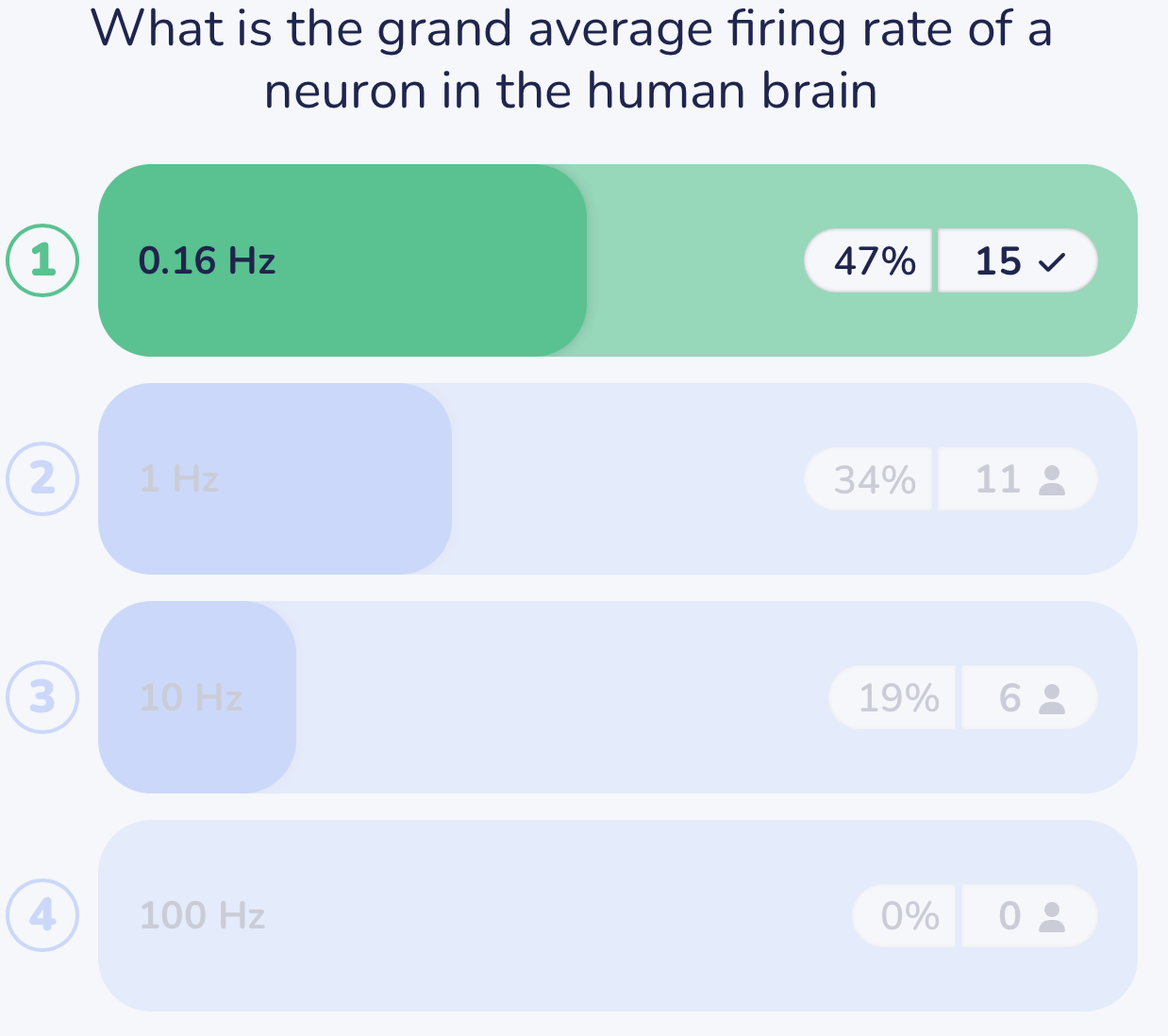
- Go to wooclap.com
- Enter the code HLEQUP
- Or directly follow https://app.wooclap.com/HLEQUP?from=instruction-slide
Neurosciences and sparsity: a survey
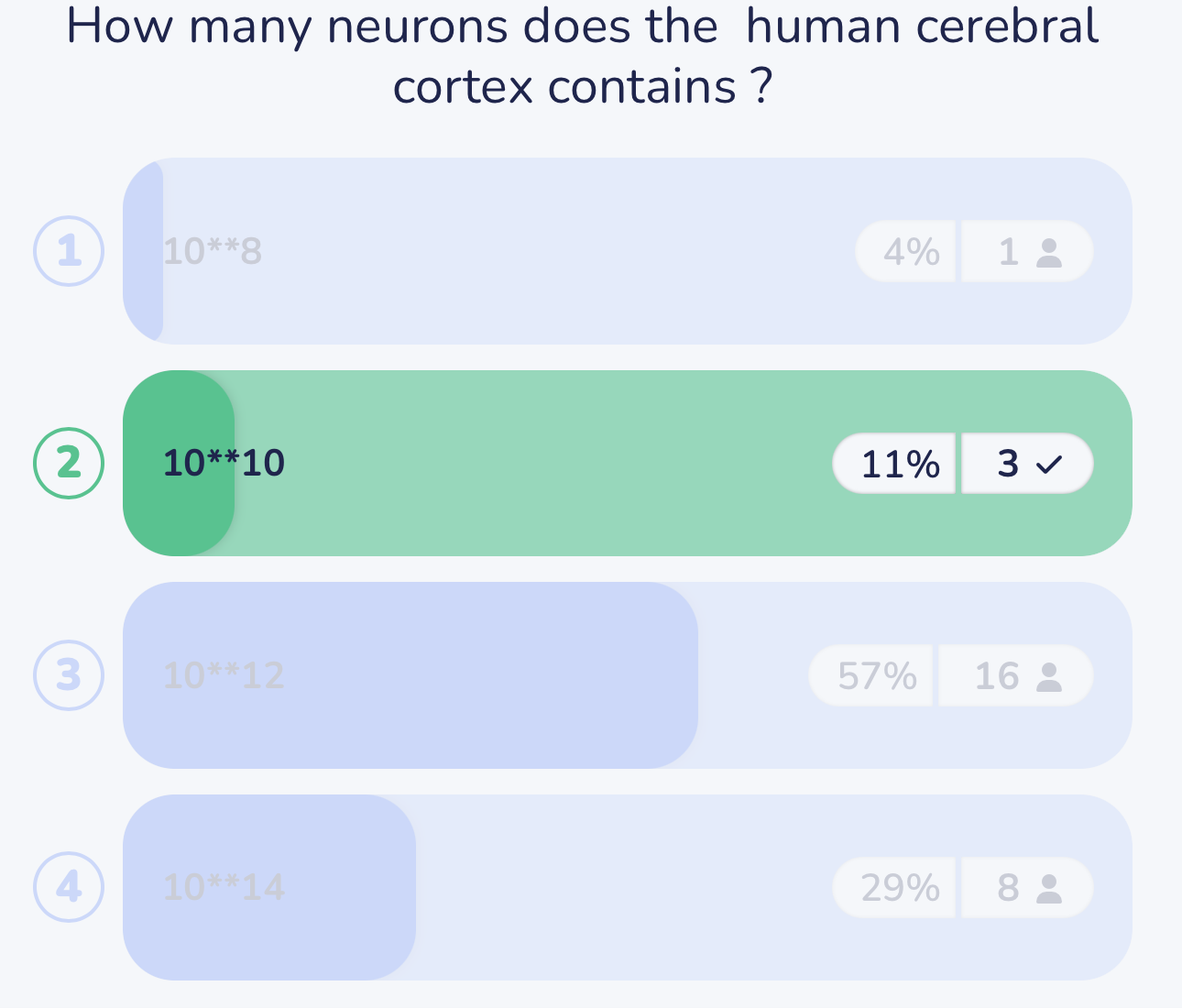
Neurosciences and sparsity: a survey
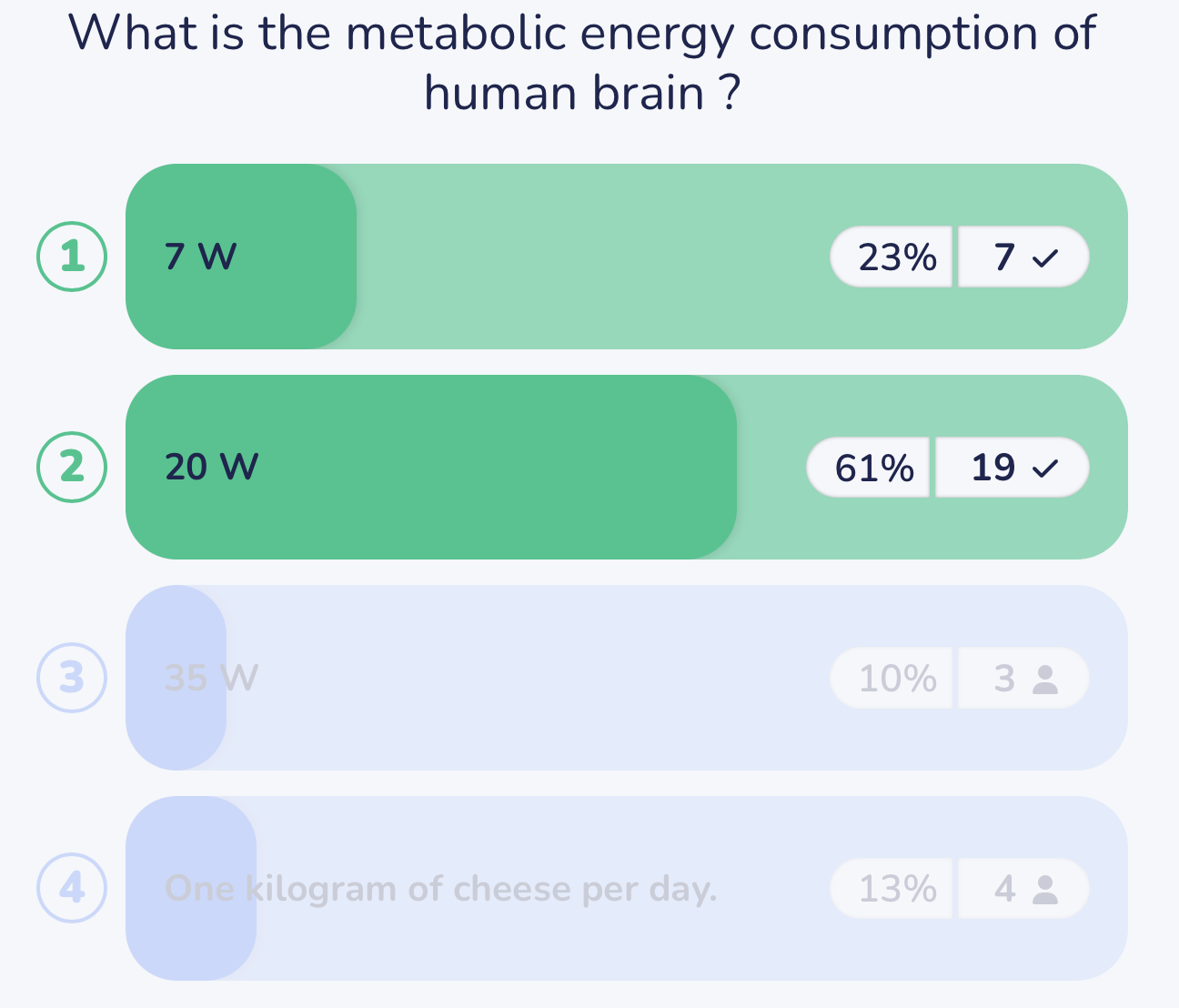
Neurosciences and sparsity: a survey
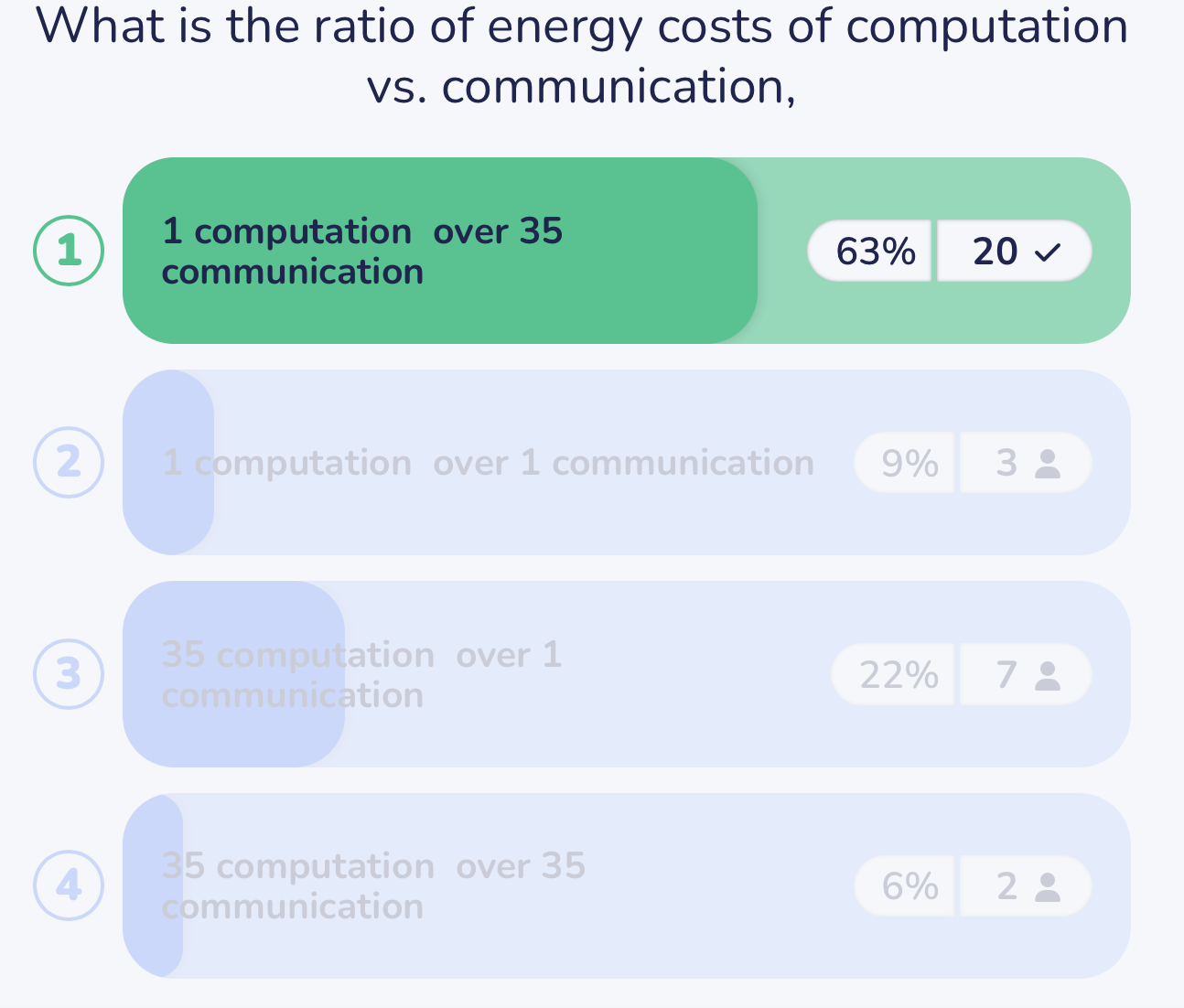
Neurosciences and sparsity: a survey
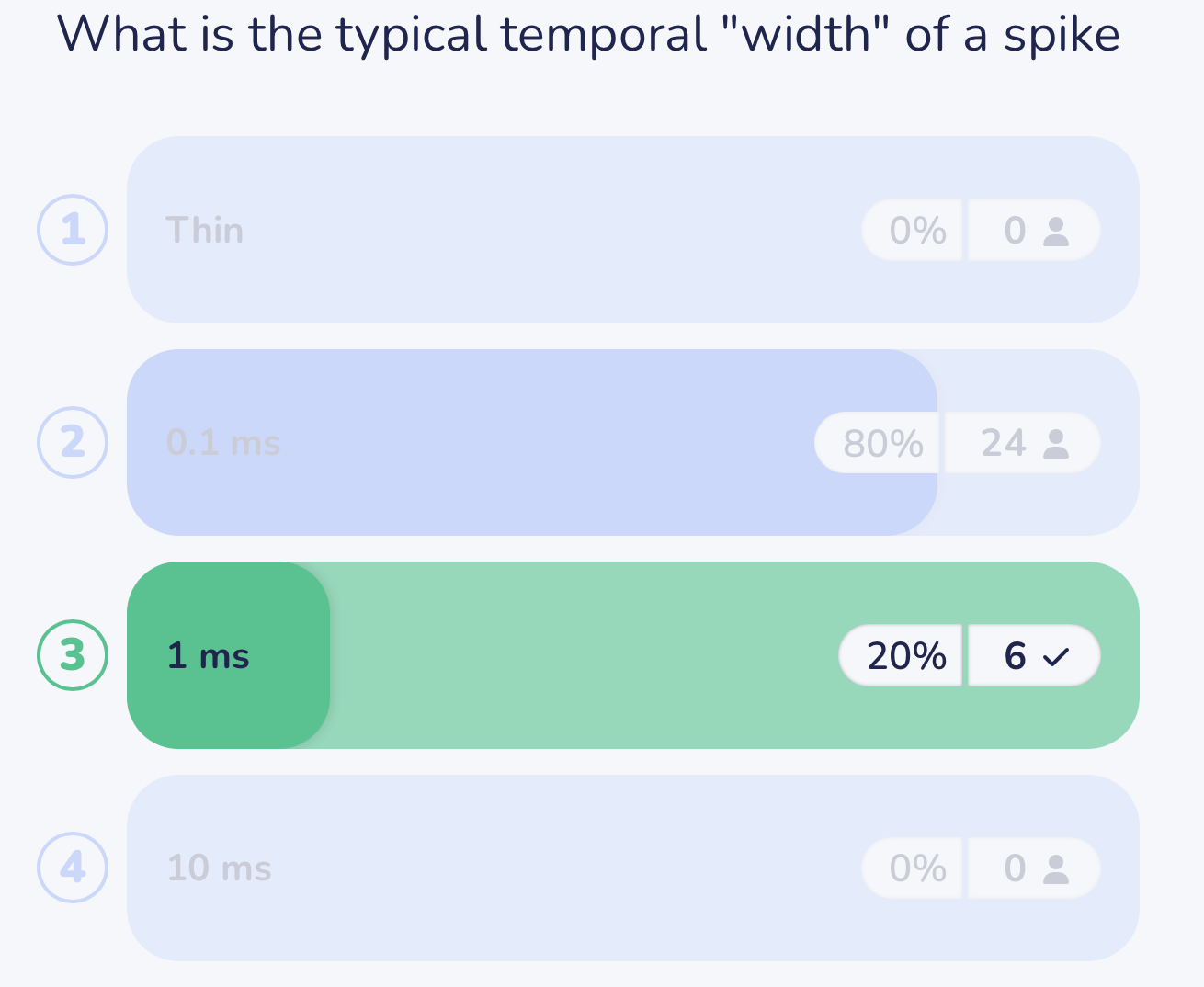
Neurosciences and sparsity: a survey
Neurosciences and sparsity
]](https://media.neuromatch.social/media_attachments/files/114/427/857/683/632/363/original/a3b375df340a54aa.png)
Neurosciences and sparsity
]](https://laurentperrinet.github.io/2019-04-03_a_course_on_vision_and_modelization/figures/Brunel200Fig2.png)
Neurosciences and sparsity
]](https://github.com/SpikeAI/2022_polychronies-review/raw/main/figures/replicating_MainenSejnowski1995.png)
Neurosciences and sparsity
]](https://laurentperrinet.github.io/2019-04-03_a_course_on_vision_and_modelization/figures/fncir-10-00037-g001a.jpg)
Neurosciences and sparsity
]](https://laurentperrinet.github.io/2019-04-03_a_course_on_vision_and_modelization/figures/fncir-10-00037-g001.jpg)
Sparse representations in a nutshell

Sparse representations in a nutshell
]](https://laurentperrinet.github.io/publication/perrinet-04-tauc/featured.png)
Sparse representations in a nutshell
]](https://laurentperrinet.github.io/2019-04-03_a_course_on_vision_and_modelization/figures/Olshausen_2.png)
Sparse representations in a nutshell
Generative model of image synthesis:
$I[x, y] = $ $\sum_{i=1}^{K} a[i] \cdot \phi[i, x, y]$ $ + \varepsilon[x, y]$ Where $\phi$ is a dictionary of $K$ atoms, $a$ is a sparse vector of coefficients, and $\varepsilon$ is a noise term.
Sparse representations in a nutshell
]](https://laurentperrinet.github.io/2019-04-03_a_course_on_vision_and_modelization/figures/Olshausen_1.png)
Sparse representations in a nutshell
Given an observation $I$,
$$ \begin{aligned} \mathcal{L}(a) & = - \log Pr( a | I ) \\ \end{aligned} $$
Sparse representations in a nutshell
Given an observation $I$,
$$ \begin{aligned} \mathcal{L}(a) & = - \log Pr( a | I ) \\ & = - \log Pr( I | a ) - \log Pr(a) \\ \end{aligned} $$
Sparse representations in a nutshell
Given an observation $I$,
$$ \begin{aligned} \mathcal{L}(a) & = - \log Pr( a | I ) \\ & = - \log Pr( I | a ) - \log Pr(a) \\ & = \frac{1}{2\sigma_n^2} \sum_{x, y} ( I[x, y] - \sum_{i=1}^{K} a[i] \cdot \phi[i, x, y])^2 - \sum_{i=1}^{K} \log Pr( a[i] ) \end{aligned} $$
Sparse representations in a nutshell
The problem is formalized as an optimization problem $a^\ast = \arg \min_a \mathcal{L}(a)$ with:
$$ \mathcal{L} = \frac{1}{2} \sum_{x, y} ( I[x, y] - \sum_{i=1}^{K} a[i] \cdot \phi[i, x, y])^2 + \lambda \cdot \sum_i ( a[i] \neq 0) $$
Sparse representations in a nutshell
The problem is formalized as an optimization problem $a^\ast = \arg \min_a \mathcal{L}(a)$ with:
$$ \mathcal{L}(a) = \frac{1}{2} \sum_{x, y} ( I[x, y] - \sum_{i=1}^{K} a[i] \cdot \phi[i, x, y])^2 + \lambda \cdot \sum_{i=1}^{K} | a[i] | $$
Sparse representations in a nutshell
]](https://laurentperrinet.github.io/publication/rentzeperis-23/featured.png)
Sparse representations and learning
Convolutional Sparse Coding
]](https://laurentperrinet.github.io/2019-04-03_a_course_on_vision_and_modelization/figures/boutin-franciosini-ruffier-perrinet-19_figure1_c.svg)
Convolutional Sparse Coding
]](https://laurentperrinet.github.io/publication/boutin-franciosini-chavane-ruffier-perrinet-20/BoutinFranciosiniChavaneRuffierPerrinet20face.png)
CNN: Predictive processing
]](https://laurentperrinet.github.io/2019-04-03_a_course_on_vision_and_modelization/figures/SDPC_3.png)
CNN: Predictive processing
]](https://laurentperrinet.github.io/2019-04-03_a_course_on_vision_and_modelization/figures/boutin-franciosini-ruffier-perrinet-19_figure4a.png)
CNN: Predictive processing
]](https://laurentperrinet.github.io/2019-04-03_a_course_on_vision_and_modelization/figures/boutin-franciosini-ruffier-perrinet-19_figure4b.png)
CNN: Predictive processing
CNN: Predictive processing
SNN in neuromorphic engineering
SNN in neuromorphic engineering
SNN in neuromorphic engineering
SNN in neuromorphic engineering
Neurosciences and sparsity
Laurent Perrinet
Séminaire à l’atelier “IA embarquée” du PEPR IA
[2026-01-29]